
Keno: How to Play and What to Check | OKPlay APK
Keno is a number-draw game in which you select numbers and compare them with a draw under the rules shown in the game. In brief: check the pick limits and paytable first, then decide whether the format fits your budget and session plan.
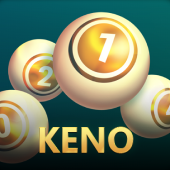
Keno belongs to the cards category in the game catalog. The exact number pool, draw size, prize table and available modes depend on the version presented when you open the game, so use its in-game information as the authority.
Other number and table picks near Keno
The following titles are separate games in the cards category. Their mechanics are not Keno variations, and each has its own instructions.

How a Keno round works
In a typical Keno round, a player chooses a permitted set of numbers, confirms a stake, and checks those choices against a random draw. The prize—if any—is determined by the game’s own paytable and matching rules, not by a pattern that can reliably predict future draws.
These steps describe the common Keno format, not an assurance that every version uses identical settings. Always follow the current game instructions and local eligibility requirements.
Keno visual guide: inspect the real game screen
The useful visual reference available here is the Keno game icon, not a fabricated screenshot. It identifies the title; for actual controls, draw animation and result layout, open the game information and inspect the interface shown for your device.
What to look for when the interface opens
Locate the number board, selection counter, stake field, draw or play control, and help or paytable panel. Confirm that the selected numbers remain visible before you submit an entry and that the result summary clearly distinguishes picks from drawn numbers.
If labels are difficult to read, the game fails to load fully, or you cannot find the terms for a round, do not guess. Leave the game and use an accessible device or ask the service channel for guidance. A Keno Demo, when explicitly offered, can help with interface familiarity but does not establish how a real-money round will turn out.
Keno progress and session milestones
Track learning milestones, not a supposed winning streak. Keno does not become more likely to match your numbers because previous rounds missed; progress feedback is useful for understanding the interface and keeping your session controlled.
Rules and pick limits understoodReady check
Stake and chosen numbers verifiedEntry check
Result matched to the paytableReview check
Time and spend compared with limitsStop check
These are personal checkpoints, not in-game achievements and not a way to unlock better odds. Do not increase a stake to recover a loss or continue because a draw feels “due.”
Understanding Keno RTP and payout tables
RTP is a long-run theoretical return measure when a game publishes one; it is not the probability that a particular Keno entry wins. A figure averaged across many plays cannot predict an individual draw, guarantee a payout, or say when a win will occur.
No numeric Keno RTP or jackpot amount is stated here because none is established by the game data available for this page. Check the current title’s own information panel for any published return, odds, prize tiers or progressive feature, and note the version and conditions attached to the figure.
To compare Keno with another title, look at the structure of its paytable, range of stakes, round speed and volatility description if one is disclosed. Do not compare an unverified percentage or assume that a larger advertised prize means more frequent wins. A Keno Demo may show how the result display works, but demo play cannot validate a real-money return.
A quick Keno decision checklist
If you cannot confirm the rules, costs or limits, wait rather than submit a Keno entry. Use this checklist before choosing a round:
- Rules: Can you identify the permitted number range, selection count and draw process?
- Settlement: Have you found the exact match-count payout table and any special conditions?
- Cost: Is the total stake clear, affordable and separate from essential expenses?
- Mode: Do you know whether the screen is a demo, free practice mode or real-money game?
- Time: Have you set a session limit and a reminder to take a break?
- Eligibility: Do you meet the local age and legal requirements for the activity?
- Comfort: Can you read the board and understand the controls without rushing?
If any answer is “no,” do not place the entry until the point is clear. For related instructions and platform access, see the Boxing King game page only as a separate title; it does not define Keno rules.
Simple Keno steps to remember
Keno is entertainment with uncertain outcomes, not a way to earn money. Never borrow to play, chase losses or use funds needed for daily responsibilities.
Choose a Keno session that fits your plan
Open Keno only if its current rules are clear and the session fits your pre-set limits. Take a moment to inspect the game’s selection controls and payment terms. The promotional entry below opens the site’s usual game destination; it does not promise that a free demo or a particular feature will be available.
For a different table format, Ultimate Roulette is a distinct title with its own rules and risk profile. Do not treat its instructions or results as evidence about Keno.
If your goal is to understand the wider site rather than start a game, use the ordinary OKPlay APK home page navigation. Always use the relevant game’s own instructions for its mechanics.
Keep Keno play responsible
Number draws are uncertain, and no pattern, selection system or streak can guarantee a result. Choose only an amount you can afford to lose, set a hard stop before play, and do not try to win back money after a loss. If you feel pressured or find it hard to stop, step away and speak to someone you trust.
Do not participate unless you meet applicable age and location requirements. Site information states that players in the Philippines must be at least 21; check current local law and the game’s eligibility terms. Keep account details private, and never let another person operate your payment or login account.